Our project


Forensic genomics for the creation of the first Atlas of sources of illegal trafficking in great apes
Our Mission
This project represents a major advance in the fight against illegal great ape trafficking by transforming cutting-edge genomics into a practical conservation and law-enforcement tool. By combining high-resolution genetic data with portable sequencing technologies, we make it possible to identify the geographic origin of trafficked apes quickly, affordably, and directly in the field, something that was previously impossible using traditional laboratory-based approaches.

The Science
Scientifically, the project builds on more than a decade of leadership in great ape genomics and expands it into real-world application. The large-scale sampling effort underway is creating one of the most comprehensive genomic reference datasets for chimpanzees, gorillas, and bonobos to date. This resource not only enables precise origin tracing, but also provides unprecedented insight into population structure, connectivity, and genetic erosion across ape-range countries, strengthening both conservation planning and evolutionary research.
Social and Policy Impact
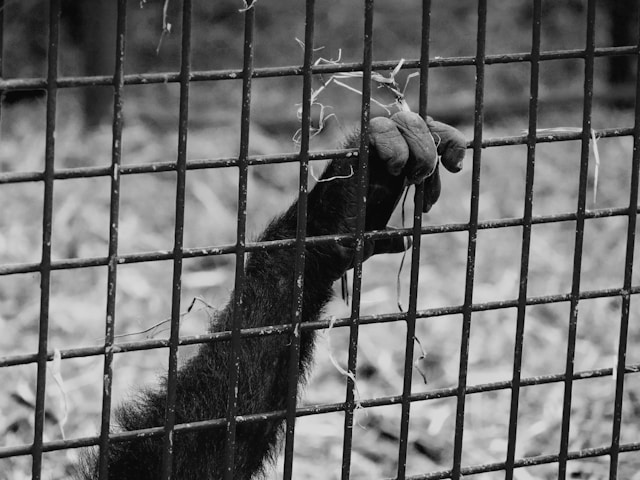
Beyond science, the project delivers direct social and policy impact. By revealing capture hotspots and trafficking routes, genetic evidence supports governments, sanctuaries, and law enforcement agencies in dismantling illegal networks and prioritizing protection where it is most needed. Through close integration with PASA and the UN-led GRASP partnership, project results are embedded within internationally recognized conservation and legal frameworks, ensuring that genomic data are translated into concrete policy and enforcement action.
Local Autonomy
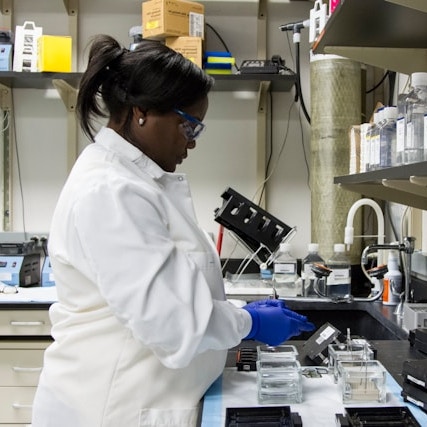
The initiative also prioritizes capacity building in Africa. Portable sequencing platforms, local training, and shared analytical infrastructure empower African institutions to lead genomic conservation efforts locally, reducing reliance on external laboratories and fostering long-term scientific independence. Together, these outcomes establish a new model for conservation, one where advanced genomics, policy, and local action converge to protect great apes and preserve biodiversity at scale.
Global Picture
In two years, the project has made significant progress in building a genomic framework to trace illegal great ape trafficking.
17
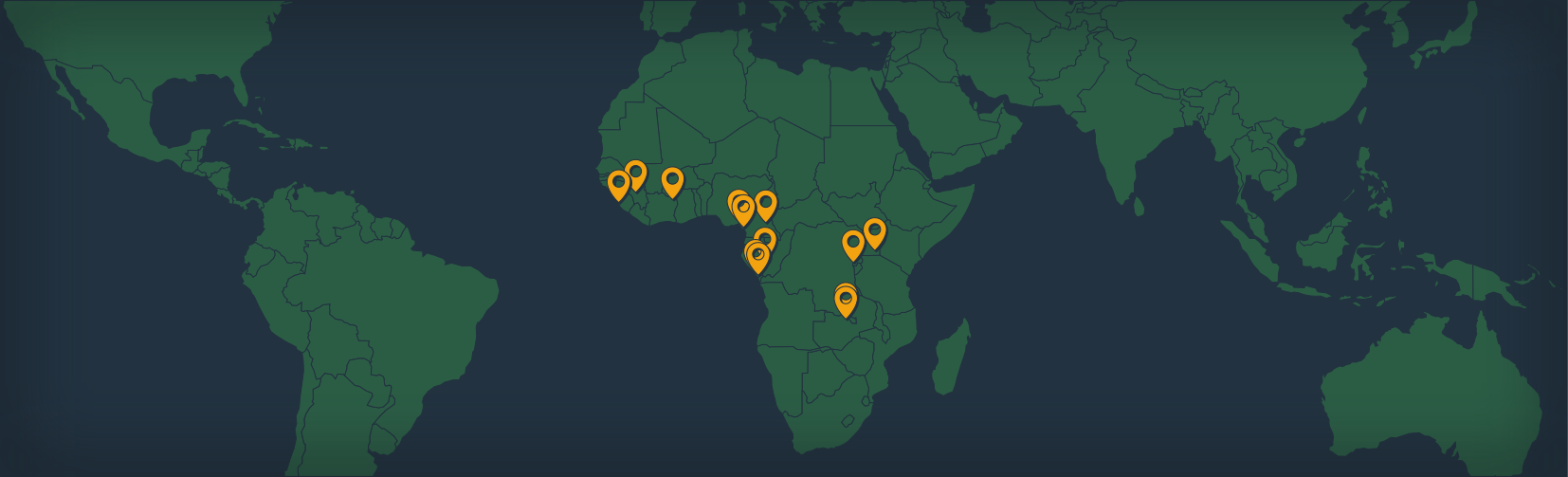
African sanctuaries have joined the initiative
450+
Imported sample from ten different sactuaries
300+
Samples already processed
150
Additional samples pending import from four sanctuaries
600+
Geolocated samples used to refine and improve the origin-mapping accuracy
Collaborating across 10 countries